

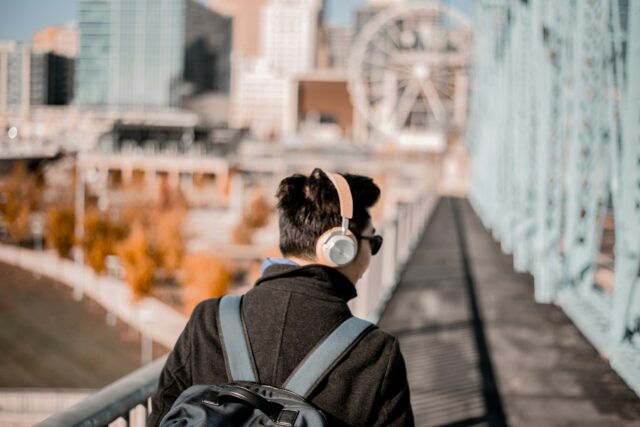
Modern audio tools can reduce the strain of travel by helping you hear directions, manage background noise, and stay connected without constantly checking a screen. A few thoughtful settings can make crowded terminals and unfamiliar streets feel more manageable, especially if you experience hearing loss or sensory sensitivity. The key is to prepare your devices before leaving home and use audio as one part of your broader travel plan.
Sensory Fatigue on the Road
Airports, train stations, and bus terminals combine announcements, conversations, rolling luggage, and engine noise in one space. Processing those overlapping sounds for hours can leave you tired or irritable. Guidance for sensory-sensitive transit riders highlights the value of predictable routines and simple accommodations.
Schedule short quiet breaks before fatigue builds. An empty gate area, station lounge, or outdoor bench may give your brain time to reset. Noise-canceling earbuds can soften steady background sound, though they shouldn’t block essential announcements. If your phone supports customizable sound profiles, save one for transit and another for quieter settings. Keep the volume low enough that you can still notice changes around you
Direct Audio Streaming on Busy Transit
Direct streaming sends calls, music, and spoken directions from a phone to a compatible listening device. This removes the need to compete with surrounding conversations when checking a gate change or talking to a family member. Travelers experiencing hearing loss may want to ask an audiologist whether Bluetooth hearing aids suit their needs and electronic devices.
Pair everything several days before departure. Test a call, a navigation app, and any entertainment you plan to use. Download boarding passes and offline maps too, since a weak signal can interrupt cloud-based services.
Battery planning matters as well. Charge devices overnight, pack the correct cables in your personal bag, and carry an approved portable charger. If your equipment uses replaceable batteries, bring more than the trip normally requires.
Practical Tools for Active Explorers
Audio technology remains useful after you leave the terminal. Spoken navigation can provide turn-by-turn directions while your phone stays secure in a zipped pocket. Museum apps may offer narrated tours, while translation tools can play common phrases when you need help with a ticket machine or hotel check-in.
Prepare these features while you have reliable Wi-Fi. Download local maps, language packs, and podcasts before heading out. Check that alerts won’t interrupt spoken directions at a critical moment, then set different volume levels for calls and media if your device allows it.
For hiking, cycling or long walking days, use one earbud or a transparency setting where appropriate. You’ll retain access to useful audio while staying aware of approaching people, bicycles, and vehicles. A small waterproof pouch can help you travel light while protecting charging cables and electronics from sudden rain.
Staying Safe in Unfamiliar Places
Audio support works best when it complements visual information. Confirm spoken directions against street signs, platform displays, and official travel apps. Technology used to ease public transit anxiety may include real-time arrival information and digital payment systems, but delays and last-minute route changes can still happen.
Avoid turning the volume high enough to mask traffic signals, public announcements, or activity nearby. In a busy station, step away from the edge of the platform before adjusting settings. Save your hotel address as text and a map pin so you can show it to a driver or transit employee if audio guidance fails.
Before each travel day, check three things: battery level, device connection, and offline access. That 60-second routine prevents many avoidable problems. Once everything is working, put the phone away and focus on the next clear instruction instead of monitoring every notification.
Modern audio tech should fade into the background when it’s set up well. A tested connection, sensible volume, and a backup plan leave more attention for finding the correct platform, enjoying a guided tour, or simply taking in a new place.

Written by Contributing Author
More From This Category
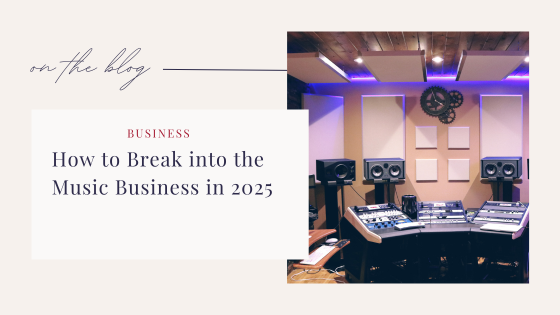
How To Break Into The Music Business In 2025
Breaking into the music business is both easier and harder than it was before. With the digital world being what it is, there are a lot more opportunities available, but with that comes more competition. Knowing how to work the system currently in place can help to...

Its Unbelievable, Ephect | Artist Spotlight
I've been listening to the album The Nphection since it dropped in 2018. Ephect doesn't just let an album sit on the shelf becoming a paper weight after it's been released. He goes to work creating the visuals for the album. His latest creative project is the video...

How To Use Technology In Business For Growth In 2023
Technology is ever-present in both business and in the general world we live in. We all use technology in many different ways whether that’s at work, in the comfort of your own home, etc. It’s safe to say that technology is going nowhere and more businesses will want...



0 Comments