
Hearing changes often develop so gradually that everyday workarounds begin to feel normal. You may raise the television volume, ask family members to repeat themselves, or struggle to follow conversations in crowded places. These moments don’t always indicate permanent hearing loss, but persistent patterns deserve attention.
Recognizing the early signs can help you seek an evaluation before communication becomes frustrating or starts affecting your relationships, work, and daily routines.
Difficulty Following Fast Dialogue
Television dialogue can reveal subtle hearing changes, especially when characters speak quickly or background music competes with their voices. You might hear the sound clearly yet miss certain words, particularly those containing higher-pitched consonants such as “s,” “f” and “th.” Conversations in restaurants, meetings, or busy family gatherings may create similar problems.
According to NYU Langone’s overview of early hearing loss signs, frequently asking people to repeat themselves can signal a developing issue. Keep a short record of where difficulties occur and how often. If the pattern lasts several weeks, scheduling a local hearing test can provide objective information about which sounds you hear clearly and which are harder to detect.
The Ringing Sensation You Should Not Ignore
Ringing, buzzing, humming, or hissing without an outside source is commonly called tinnitus. It may affect one or both ears and can be constant or intermittent. A brief episode after exposure to loud sound may fade, but recurring tinnitus warrants a conversation with a qualified hearing professional.
The University of Cincinnati describes tinnitus as one of the subtle hearing changes people should take seriously. Note when the sound begins, how long it lasts, and whether dizziness, ear pressure, or a sudden drop in hearing occurs. Seek prompt medical care for sudden hearing loss, severe dizziness, head injury symptoms, or tinnitus that pulses in time with your heartbeat. These features may require a timely medical assessment.
Getting an Accurate Auditory Evaluation
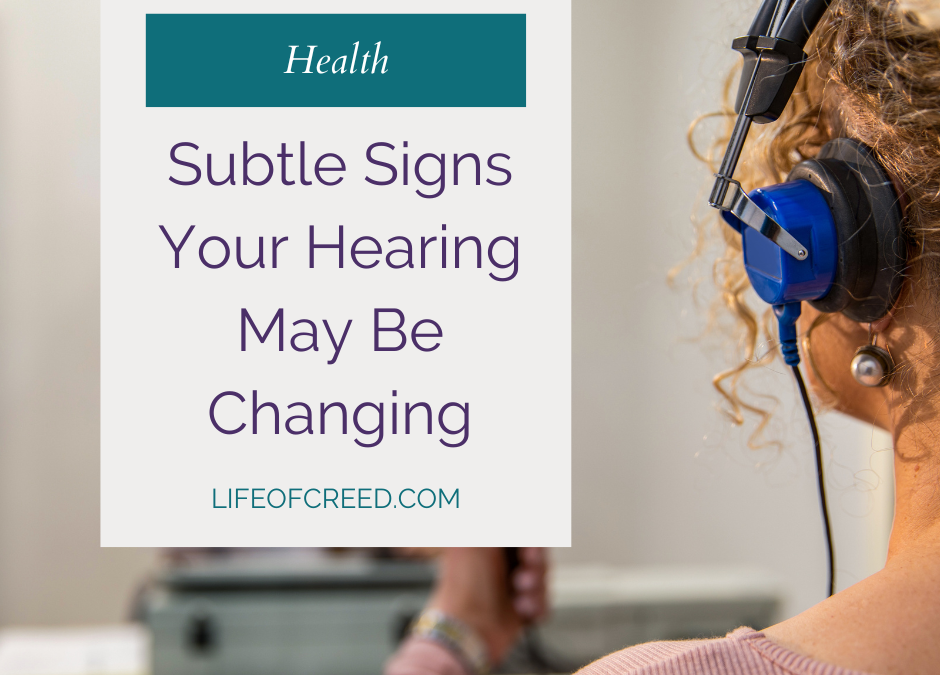
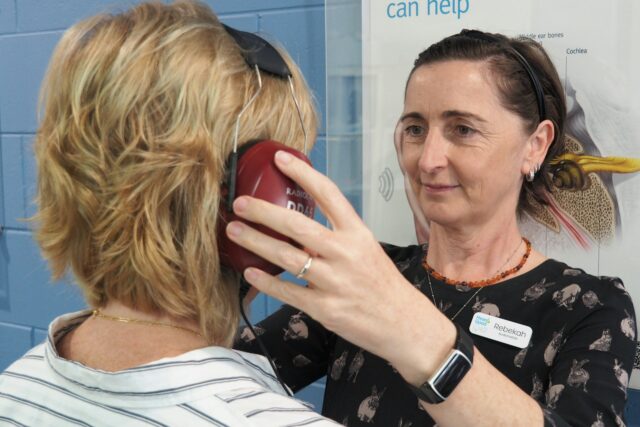
A professional evaluation provides more useful detail than an online screening or volume check at home. During the appointment, expect questions about your health history, noise exposure, medications, and communication difficulties. The provider may inspect your ear canals before testing how you respond to tones at different pitches and volumes. Speech testing can also show how well you understand words in quiet conditions or with competing noise.
Bring a list of symptoms and any situations that regularly cause trouble. Mention if one ear seems different from the other or if the change appeared suddenly. Accurate results depend on your responses, so avoid guessing and tell the provider when you’re uncertain. The findings establish a baseline to compare with future tests, even if no immediate treatment is needed.
Modern Steps for Better Communication
Small communication changes can reduce strain while you arrange follow-up care or consider evaluation recommendations. Face the person speaking and improve lighting so facial expressions remain visible. Move away from kitchen appliances, televisions, and other competing sounds when discussing detailed information. In a restaurant, request a table against a wall or away from speakers.
Ask people to rephrase unclear sentences instead of repeating the same words louder. Captions can make television programs, video calls and online presentations easier to follow. During appointments or important meetings, written summaries help confirm names, dates and instructions.
Avoid turning personal audio devices up to cover surrounding noise. Use well-fitting headphones and take listening breaks instead. These everyday adjustments are also among the pillars of a healthy lifestyle that support overall well-being. If missed words keep interfering with conversations, record the situations for a week and bring those examples to your hearing appointment. Specific notes give the provider a clearer picture of what you experience outside the testing room.

Written by Contributing Author
More From This Category

8 Proven Ways To Reduce The Chances of Wrinkles
Aging is inevitable and there are certain signs that come with aging- like wrinkles. Although we’re not able to stop wrinkles entirely, there are some things we can do to slow the process. The sooner you start looking after your skin, the more likely wrinkles will...

Acadian Oaks Breaks Ground on 137-Bed Healthcare Facility in Youngsville, Louisiana
The new healthcare and rehabilitation facility will feature all-private rooms and is anticipated to open in late 2027. Youngsville, Louisiana, is welcoming another important development as Acadian Oaks Healthcare & Rehabilitation Center officially broke ground on...
Extending Equipment Lifespan: Practical Maintenance Tips for Protective Headwear
Whether you're cycling with the kids, skateboarding at the park, or diving into your favorite adventure sport, protective headwear is a must-have. You count on it to keep you safe, but how often do you think about keeping it in tip-top shape? Like any other important...



0 Comments