
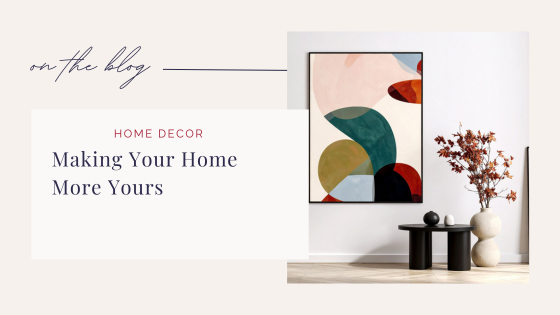
If you want to enjoy being in your home as much as possible, one of the main things you might want to think about is making the place much more personal to you. The process doesn’t happen all at once. It unfolds gradually, often in ways that feel almost accidental. A chair you didn’t think much of becomes the place you always sit in the evening. A corner of a room gathers a lamp, a book, a plant, and suddenly becomes somewhere you gravitate towards without quite knowing why. What you’re doing, in these small unconscious decisions, is shaping a space that reflects your internal rhythms.
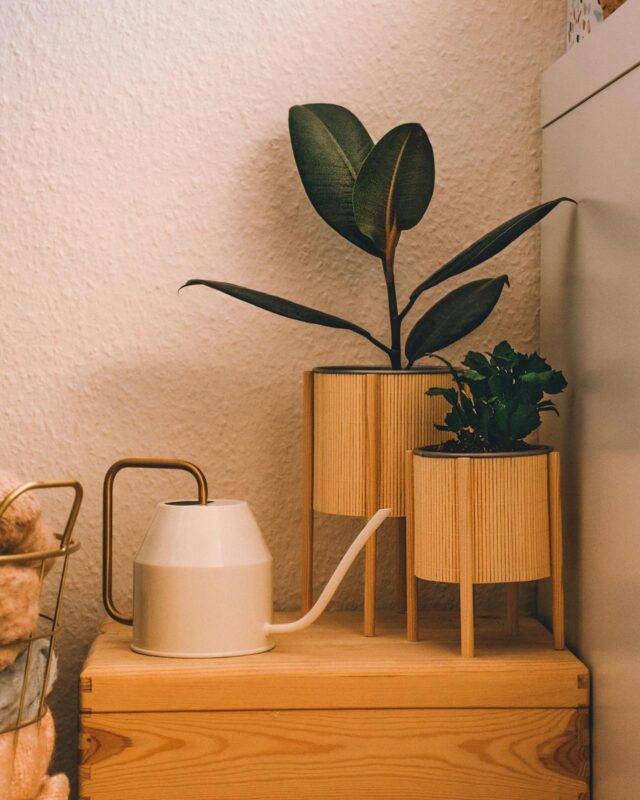
The Subtle Power of Furniture
Furniture plays a bigger role in this than people tend to admit. Not in the obvious, showroom sense, but in how it quietly directs the way you live. A low, deep sofa invites you to sink and linger, while a firmer, upright one encourages conversation or productivity. A large dining table suggests gathering, even if you don’t yet have people to fill it. A small, tucked-away desk implies solitude and focus. Choosing furniture isn’t just about what looks good; it’s about what kind of life it allows. It’s a good idea to look into Shawcross Furniture as an example of this, and it’s worth asking not “does this fit the room?” but “does this fit me?” The answer might lead you away from what’s fashionable and toward what feels oddly specific.
Letting Objects Carry Meaning
A home becomes yours when it starts to hold your stories. Not in a cluttered, overwhelming way, but in a selective, almost curated sense. Objects that matter don’t need to be expensive or impressive; they just need to resonate. A chipped mug you always reach for. A book with notes in the margins. A photograph that catches you off guard every time you pass it. There’s a temptation to fill a space quickly, especially when it feels empty. But leaving some room for things to arrive naturally can make a difference.

Light, Texture, and Atmosphere
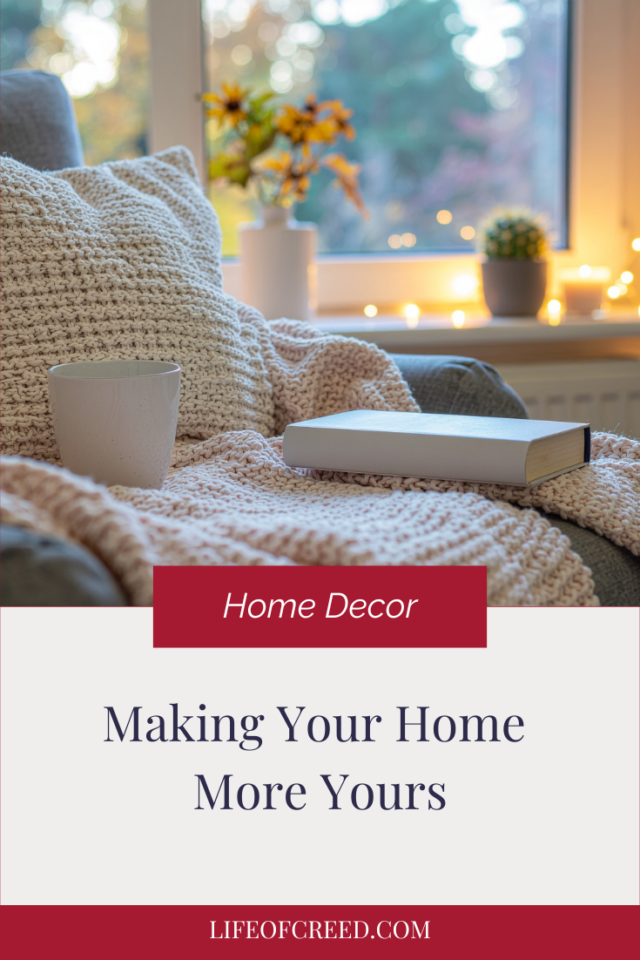
Beyond furniture and objects, there’s the atmosphere of a space – the elements that are harder to define but immediately felt. Light is a major part of this. Harsh overhead lighting can make even a well-designed room feel flat, while softer, layered lighting creates depth and warmth. Lamps, candles, and natural light all interact in subtle ways, shaping how a room feels at different times of day. Texture works alongside light to create a sense of comfort. Soft fabrics, rough wood, cool metal: these contrasts give a room a kind of tactile richness.
Embracing Imperfection
One of the barriers to making a home feel personal is the idea that it needs to be finished. There’s a subtle pressure – fueled by images and expectations – to arrive at a final, polished state. But a home that feels truly yours is rarely finished. It shifts as you do. It reflects changes in mood, circumstance, and interest. Allowing for a certain level of imperfection can make a space feel more alive. Not everything needs to match. Not every corner needs to be styled.
Pin This Post!

Written by Contributing Author
More From This Category
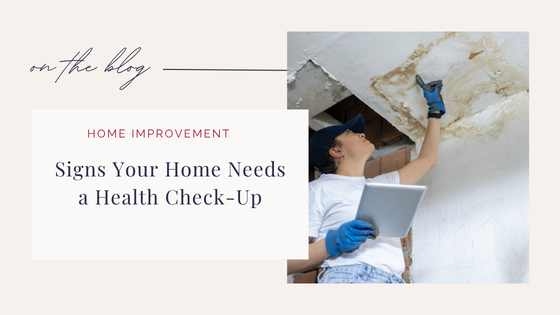
Signs Your Home Needs a Health Check-Up
A home often shows small signs of trouble before a costly repair becomes unavoidable. Unusual odors, fresh stains and rooms that suddenly feel damp can all point to problems behind the surfaces. A seasonal home health check helps you catch these clues, protect indoor...
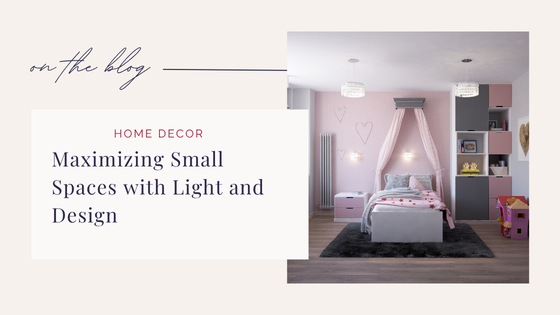
Maximizing Small Spaces with Light and Design
Living in a small apartment or home presents a unique set of design challenges, but it also offers a creative opportunity. With a thoughtful approach to design, light, and organization, even the most compact room can feel spacious, airy, and comfortable. The key...
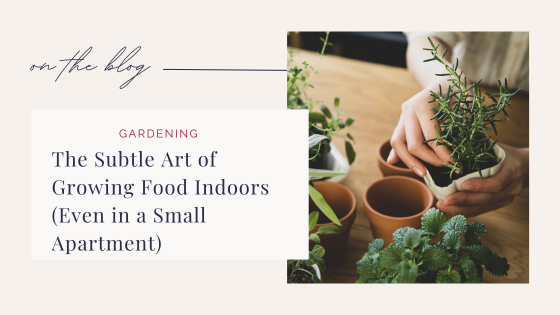
The Subtle Art of Growing Food Indoors (Even in a Small Apartment)
Being more sustainable is always something that can be beneficial towards the environment, which is why it’s important to look at the changes you can make first and foremost in your own home. Growing food indoors, for example, is a good way of benefiting the...



0 Comments