
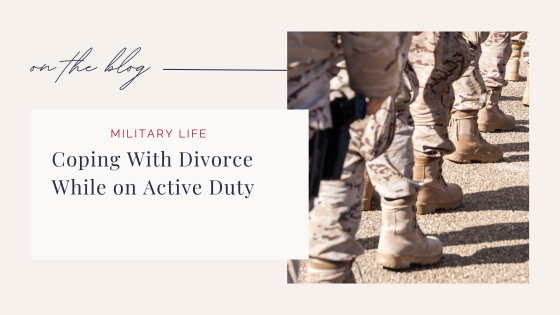
Going through a divorce is one of life’s most stressful events. For those on active duty, that stress only grows because of the unique demands of military service. The constant pressure of your duties, the possibility of deployment, and being far from traditional support networks can make an already difficult process feel overwhelming. However, understanding the specific challenges and available resources can help you manage the situation with more control and confidence.

The Stress of Dual Demands
A service member’s typical day is already full of responsibilities that demand focus and resilience. Adding a divorce to this creates a second front of emotional and logistical battles. You’re expected to maintain mission readiness and perform your duties at a high level, all while dealing with legal paperwork, emotional turmoil, and worries about your children and finances.
This dual demand can significantly affect your mental and physical health. It’s common to feel anxious, have trouble sleeping, and struggle with concentration, which can impact both your job performance and personal well-being. The first step is acknowledging that you are under extraordinary stress. Feeling overwhelmed isn’t a sign of weakness; it’s a natural reaction to managing two major life crises at once. Recognizing this allows you to be more deliberate about seeking the support and accommodations you need to get through it.
Understanding SCRA Protections
As a service member, federal law gives you specific legal protections that can affect your divorce proceedings. The Servicemembers Civil Relief Act (SCRA) offers temporary relief from certain civil obligations, including lawsuits and court hearings. One key part of this law lets you ask for a “stay” or postponement of a divorce case if your military duties prevent you from participating. This can be vital if you are deployed or stationed overseas.
While these protections are helpful, they don’t solve everything and can sometimes make the timeline more complicated. The rules for dividing military retirement pay and other benefits are also complex and set by specific federal acts. Navigating these legal waters requires a clear understanding of your rights. This is why many service members talk to experienced military divorce attorneys to make sure their interests are protected and they follow all legal requirements. An attorney can explain how the SCRA applies to your case and help you manage the legal process effectively, even from a distance.
Impact of PCS Orders on Proceedings
A Permanent Change of Station (PCS) is a normal part of military life, but getting orders in the middle of a divorce can cause major problems. A key question that comes up is jurisdiction, which is a court’s legal power to hear a case. If you or your spouse move to a new state, it can create confusion about which state’s laws will apply to property division, spousal support, and child custody.
These jurisdictional issues in military divorce can lead to delays and higher legal costs. For child custody, states follow the Uniform Child Custody Jurisdiction and Enforcement Act (UCCJEA), which usually gives jurisdiction to the child’s “home state.” A PCS move can complicate what counts as the home state and might require legal action to transfer the case. It’s crucial to discuss the potential impact of a PCS with your legal counsel as soon as you receive orders. This helps avoid unintended consequences and ensures custody arrangements remain stable and enforceable.
Finding the Right Support System
You don’t have to face this challenge alone. The military offers a strong network of support services designed specifically for service members and their families. Using these resources shows strength and is a critical part of staying fit for duty.
Consider reaching out to these resources:
- Military OneSource: This service provides free, confidential non-medical counseling, financial counseling, and legal assistance referrals. It’s available 24/7, no matter where you are stationed.
- Chaplain Services: Military chaplains offer confidential counseling and support to service members of all faiths and backgrounds. They are a great source of guidance and a listening ear.
- Fleet and Family Support Centers (FFSC), Army Community Service (ACS), or Airman & Family Readiness Centers (A&FRC): These base-specific centers offer workshops, counseling, and resources for various life challenges, including divorce.
- Mental Health Professionals: The military healthcare system provides access to psychologists and psychiatrists who can help you develop ways to cope with stress and emotional distress.
Building a support system among peers who understand the military lifestyle can also be incredibly helpful. Don’t isolate yourself. Reaching out for support is essential for your health and for navigating the path ahead.
Ultimately, dealing with divorce while on active duty requires a proactive approach. By understanding your legal protections, anticipating logistical challenges, and leaning on available support systems, you can manage this difficult transition and move forward.
Pin This Post!


Written by Contributing Author
More From This Category

Tips For Creating A Happy & Rewarding Family Life
You want your home to be a place that feels safe, secure, and calm daily. You want to build an environment and place for your loved ones where they can feel joyful and be themselves. You may be ready to make a change and have felt in a slump lately as a parent who is...

How to Help Veterans With PTSD?
Post-traumatic stress disorder (PTSD) is a debilitating mental health condition experienced by many veterans. For those who have served in the military, PTSD can result from traumatic experiences such as combat or sexual assault. Unfortunately, it can be difficult to...

How to Prevent Money Matters From Harming Family Relationships
We tend to think of money as a broadly positive thing. The more you have, the easier things become. Or so the thinking goes. While having money can remove certain problems, it can also create new ones — and sometimes, they’re the problems that you would never expect...



0 Comments