

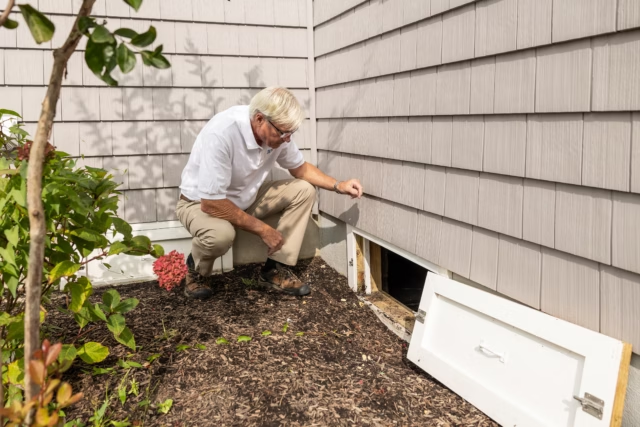
Minor home damage often looks harmless until it spreads into walls, floors, or structural supports. A thin crack may widen after months of soil movement, while a faint stain can signal water traveling behind the drywall.
Quick attention usually keeps repairs smaller and less disruptive. The key is knowing which changes deserve monitoring, which need immediate action, and how to budget for routine upkeep before several problems arrive at once.
Small Shifts That Cause Big Headaches
Homes move slightly as soil expands, temperatures change, and building materials settle. A narrow crack that stays the same size may only need monitoring, but repeated movement can throw doors, floors, and trim out of alignment.
Look for doors that suddenly rub against their frames, windows that become difficult to open, and gaps appearing between walls and cabinets. You can mark the ends of a crack with a pencil and write the date beside it. Take a photo with a ruler in view, then compare it monthly. If the crack grows, reappears after patching, or shows up alongside uneven flooring, schedule a professional evaluation instead of repeatedly covering the surface.
Early Indicators for Foundation Repair
Several symptoms appearing together deserve prompt attention. Diagonal cracks near windows, stair-step cracks along masonry, sloping floors, and interior doors that won’t latch can indicate possible foundation movement. Exterior gaps around frames may provide another clue.
If you notice these patterns, arranging a professional assessment for foundation repair can help determine whether the damage is cosmetic or related to movement beneath the house. The appropriate solution depends on the inspection findings and the underlying cause.
Keep dated photos and note when each symptom appeared. This record helps a qualified professional distinguish a stable old crack from active movement and recommend repairs based on the actual cause.
Moisture Creep Around Baseboards
Water damage often starts quietly; baseboards may swell, paint may bubble, and flooring can feel soft before you see an obvious leak. Musty odors or recurring dark spots also suggest moisture is lingering inside the wall.
Follow basic indoor moisture control practices by finding the water source first. Check nearby plumbing, exterior drainage, window seals, and appliance connections. Drying or repainting the visible area won’t solve an active leak.
Use an inexpensive moisture meter to compare the affected spot with a dry wall nearby. A moisture meter can help compare readings in the affected area with those in a dry section of the same wall. Persistently elevated readings warrant further investigation, as moisture may remain behind the surface even when the wall feels dry.
Building a Realistic Maintenance Plan
A useful maintenance plan fits your schedule and budget. Start with a seasonal maintenance checklist, then divide larger tasks across the year. Spring might cover exterior drainage and roof checks, while fall can focus on weather seals, plumbing connections, and heating equipment.
Set aside a small monthly amount for repairs, even when nothing appears wrong. That reserve makes it easier to call a professional when a crack changes or a leak develops.
Keep one folder for inspection reports, receipts, and dated photos. Add recurring reminders to your phone for filters, gutters, and visual checks. Consistent records reveal patterns that memory can miss, especially when damage changes slowly over several seasons.
The next time you notice a sticking door or damp baseboard, document it before making a cosmetic repair. A dated photo and a simple measurement may be the evidence that keeps a minor problem from turning into an expensive project.

Written by Contributing Author
More From This Category

Acadian Oaks Breaks Ground on 137-Bed Healthcare Facility in Youngsville, Louisiana
The new healthcare and rehabilitation facility will feature all-private rooms and is anticipated to open in late 2027. Youngsville, Louisiana, is welcoming another important development as Acadian Oaks Healthcare & Rehabilitation Center officially broke ground on...



0 Comments