
A lot of people spend time preparing for emergencies during the day like learning skills, stocking supplies, and getting comfortable with their gear. But what happens when the sun goes down and things get a lot harder to see, hear, and react to? That’s where many preppers realize they’ve only covered half the picture.
Training for nighttime survival isn’t just about buying fancy gear or wearing cool headlamps. It’s about learning to function when visibility drops, sounds travel differently, and confidence can start to fade. The dark changes the game, and any serious prepper needs to learn how to stay alert, quiet, and capable when light is in short supply.
Navigating and signaling at night
Nighttime navigation isn’t as simple as grabbing a flashlight and pointing the way. Bright lights can give away your position, ruin your night vision, or blind your group. Learning to use low-lumen lights, red filters, or natural light like the moon and stars becomes a lot more important than it might seem.
In a blackout or wilderness situation, signaling for help or coordinating with others can be tricky. Practicing silent hand signals, light flashes, or other subtle forms of communication gives preppers a huge advantage. That way, even in total darkness, there’s still a way to stay connected.
Understanding how night gear really works
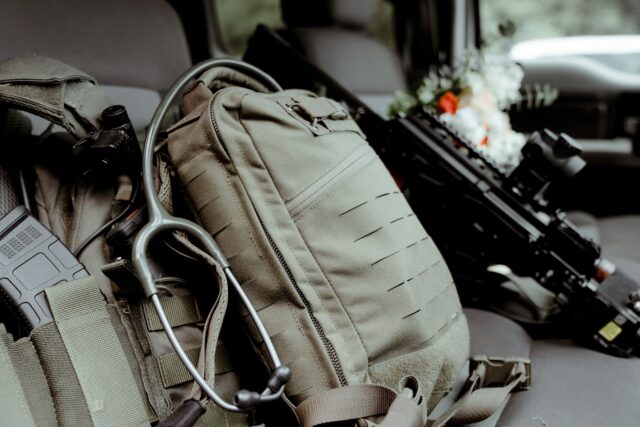
It’s one thing to own night vision or thermal gear, but it’s another thing to actually know how and when to use it. Those tools come with quirks, limitations, and battery demands that take practice to handle under stress. Someone who’s only tested gear in their backyard might be caught off guard when they actually need it.
Take something like an ANVS Night Vision to InfiRay Jerry-C COTI battery pack adapter cable–if a prepper doesn’t know how to set it up or troubleshoot it, they’re in the dark in more ways than one. In short, training in realistic dark conditions is key to understanding where your tools help and where they fall short.
A great starting point for beginners
If someone’s just getting started, it might seem overwhelming to train for night survival. But every newbie prepper can start small. Try to walk around the backyard in the dark, try setting up a tent by feel, or navigate to a location using only moonlight or a dim headlamp. That kind of slow, steady practice builds confidence. Over time, those small challenges stack up and create a solid foundation.
Night training pairs with firearms practice
Low-light shooting introduces a completely different skill set. That’s why night sessions at the range or on private land are so valuable. It’s worth noting that not all tools work the same way at night. Lights can reflect off smoke or dust, sights can disappear, and sound plays tricks on the brain. For anyone thinking about firearms for preppers, getting comfortable with them in low light is part of being truly prepared.
Remember that darkness isn’t something to fear–it’s something to work with. And the more you train in it, the better off you’ll be when it matters most.
Pin This Post!

Written by Contributing Author
More From This Category
A Girl and and Her Gun
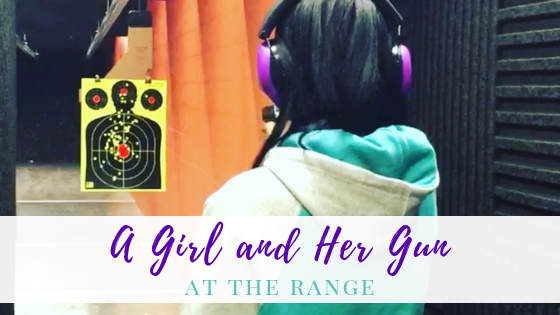
For the new year, I want to incorporate more videos on the blog. I finally uploaded my first video on my YouTube channel for the new girl. I've been going to the gun range lately and decided to start recording so I could rewatch how I do and see the mistakes I make. I...
A Girl and and Her Gun
For the new year, I want to incorporate more videos on the blog. I finally uploaded my first video on my YouTube channel for the new girl. I've been going to the gun range lately and decided to start recording so I could rewatch how I do and see the mistakes I make. I...

What Is Self-Sustainable Living?
Self-sustainable living, also known as 'homesteading' or 'permaculture,' emphasizes the need for an individual to provide themselves with necessary goods and services typically offered by the modern industrial economy. For example, one may consider growing their food...



0 Comments