
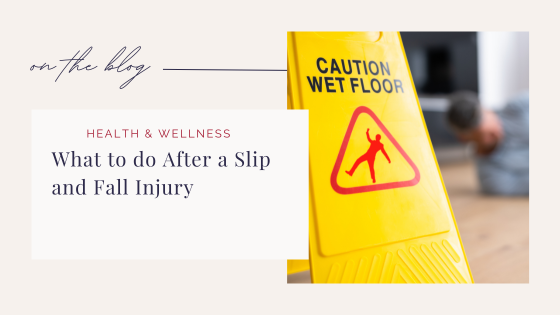
Slip and fall accidents are among the most prevalent causes of workplace accidents and injuries. This means that even the most safety-conscious individuals should know ahead of time what to do in the aftermath of a slip and fall.

With that in mind, here’s everything you need to do after a slip and fall accident at work.
1. Ask for medical attention
While slip and fall accidents tend to result in relatively minor injuries, you should make sure that you receive some kind of medical attention after the fact. This will protect your best interests moving forward, especially if you’re currently in a lot of pain. This is because it could be a symptom of a more severe injury that isn’t immediately obvious, such as a concussion.
You should accept both on-site and external support if necessary, without worrying about the potential costs of this treatment. Remember, your health should always be your number one priority.
2. File a report
By now, you’re likely well aware of the fact that all workplace accidents must be reported as quickly as possible after the fact. This is often a legal requirement for employers, but it can also protect your best interests moving forward. This is because it means there is documented evidence on the accident itself, which you can utilize should you decide to take legal action. Remember, the more detail you can provide when filing the report, the better.
3. Reach out to an attorney
Ideally, you should reach out to a personal injury attorney as quickly as possible after an accident. However, in the US, you can initiate a claim up to three years after the fact. That being said, the sooner you seek out compensation, the sooner you’ll have access to the money you truly need.
When reaching out to a legal professional, such as attorney Adam Kutner, make sure you gather as much evidence as you can ahead of time. This could include the initial incident report, your medical records, and witness statements from colleagues who were present at the time of the accident. They will be able to use this information to help you chase the money you deserve, reducing the financial burden you are currently dealing with.
4. Focus on getting better
Once you have followed the steps outlined above, it is time to turn your attention to getting better. This means focusing on your recovery. This often means making sure that you are paying close attention to any medical advice you’ve received, and that you are getting as much rest as possible.
This can be a little difficult, especially if you’re a relatively active person, but the more rest you get, the quicker you’ll recover. You should also make sure that you’re getting plenty of sleep during this time, as this too has a role to play in recovery speed.
Don’t forget to address the emotional fallout of the incident, either. For example, you may find that you’re overly anxious about returning to work as you’re worried that you’ll find yourself in a similar situation in the future. Or, you may be feeling stressed regarding the impact this injury could have on your life moving forward. You can address these complicated feelings through therapy or by simply talking about how you are feeling with those around you.
5. Don’t return to work until you’re recovered
While returning to work as quickly as possible may seem like a great way to reduce the impact the accident has on your day-to-day life, it could actually make things worse in the long run. For example, going back before you’ve fully recovered from an injury could mean making the injury itself worse, meaning that you’ll actually need to take more time off in the future.
As such, you should speak to your employer ahead of time to discuss a realistic timeframe for returning to work, taking your medical situation into account. Your doctor will be able to provide you with some support in this, by discussing the general recovery period for your injury, or conducting regular assessments that you can share with your employer.
You should also discuss the option to work from home for a short period of time, or a phased return. This will allow you to gradually return to work at a pace that you are comfortable with, without feeling overwhelmed.
6. Ask your employer what they are going to do differently moving forward
Slip and fall accidents are often highly preventable. This means that someone (or something) was at fault when you were injured at work. As such, having a conversation with your employer about what they are doing to protect you moving forward can provide you with much greater peace of mind upon your return to work. For example, it could be that they’ve reworked their health and safety policy, or have identified (and removed) hazards. This also means that you are protecting the best interests of your colleagues too, as you are putting pressure on your employer to protect them.
Final thoughts. When you are injured at work, it’s normal for fear and panic to take over, especially if you’re in a great deal of pain. However, knowing what to do next is crucial. This will allow you to protect your best interests moving forward, whether you are focusing on your physical and mental recovery, or considering pursuing legal action.
Following a slip and fall injury, you should:
- Ask for medical attention, both on-site and at a medical facility
- File an accident report, gathering as much evidence as possible
- Reach out to an attorney who can discuss your options with you moving forward
- Focus on getting better and recovering from your accident
- Return to work only when you feel ready to do so, and not due to external pressures
- Ask your employer what they are going to do moving forward to prevent repeat incidents
This will help you to leave the accident behind you, as opposed to allowing it to define you for years to come.
Pin This Post!


Written by Contributing Author
More From This Category

Simple Ways to Support Aging Loved Ones Before Things Feel Overwhelming
Supporting aging family members doesn’t have to be stressful or reactive. In fact, taking a few small, thoughtful steps early can make a world of difference for both you and your senior relatives. When you understand their needs, open up communication and consider the...
No Results Found
The page you requested could not be found. Try refining your search, or use the navigation above to locate the post.

Exploring Personalized Self-Care: Modern Approaches to Everyday Relaxation
The idea of self-care has really shifted. It used to be seen as an occasional treat, but now it's more about a daily routine to keep your mental and emotional balance in check. What works for one person won't necessarily work for another, though. The trick to a good...



0 Comments