
Watching a child discover something they truly love is one of the most rewarding parts of being a parent. When you’re co-parenting, you have a unique chance to work together to help these budding passions grow. A positive, coordinated approach ensures your child feels fully supported from all sides as they explore their talents and interests, building their confidence along the way.
Discovering Their Unique Interests
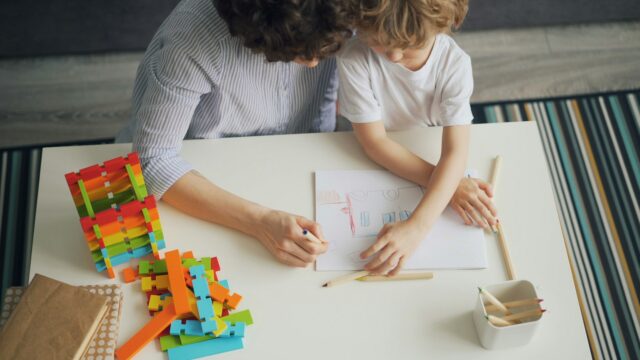
Start by simply paying attention. Kids often show what they’re interested in through play and casual talk long before they can say it out loud. These clues can sometimes point them toward interesting hobbies. Notice what your child naturally gravitates toward when they have free time. Are they building elaborate structures with blocks, drawing detailed pictures, or spending hours in the backyard looking for bugs? These are all hints about what truly sparks their curiosity.
To help them explore, introduce them to a variety of new experiences without any pressure to stick with them. A trip to a science museum, a local concert in the park, or a beginner’s coding class can open up new worlds. The goal isn’t to find an activity they’ll do forever, but to nurture your kids’ interests by giving them a safe space to try, and even fail, at new things. Listen more than you direct, and let their genuine excitement be your guide.
Supporting Hobbies and Activities
Once an interest takes hold, consistent support is crucial. This support comes in many forms, from practical resources to simple encouragement. It might mean driving to soccer practice, helping them find library books about their new favorite topic, or setting aside a corner of the house for their art supplies.
It’s important to support your child’s interests without overwhelming them. Let their passion lead the way. If they love painting, you don’t need to immediately sign them up for expensive private lessons. Start with a good set of paints and some quality paper. Your enthusiasm and willingness to engage with their hobby like asking to see their latest creation or listening to them explain the rules of a new game is more valuable than any financial investment.
Communicating for Consistency
For co-parents, clear communication is the bedrock of effective support. When your child’s hobby requires a commitment of time or money, both parents absolutely need to be on the same page. Discuss things like who will handle transportation to lessons, how costs for equipment or fees will be shared, and what the expectations are for practice time at each home. This prevents confusion for your child and keeps one parent from feeling overburdened.
For parents who are separated or divorced, a formal parenting plan can be incredibly helpful for outlining these responsibilities. Creating a clear and fair agreement ensures that both parents can contribute to their child’s development without conflict. If you need help establishing these guidelines, working with experienced custody attorneys can ensure your plan is comprehensive and truly serves your child’s best interests. This creates a stable environment where your child’s passions can truly thrive.
Building a United Front
Beyond the logistics, presenting a united front sends a powerful message to your child. Make an effort to attend games, performances, or showcases together when you can. Seeing both of you in the audience cheering them on reinforces that you are a team dedicated to their success and happiness. It shows them that your support goes beyond separate households.
This unity also means speaking positively about the other parent’s contributions. Avoid criticizing how the other parent handles practice time or their level of involvement. Instead, focus on the shared goal: your child’s well-being. When your child sees you both working together and respecting each other’s roles, they feel more secure pursuing their passions without feeling caught in the middle.
Celebrating Every Milestone
Finally, remember to celebrate the journey, not just the destination. A child’s hobby is about more than winning trophies or being the best. It’s about learning new skills, developing discipline, making friends, and finding joy in the activity itself. Acknowledge their hard work and progress, no matter the outcome.
Celebrate the small victories: the first time they play a song without mistakes, the courage it took to try out for the team, or the completion of a challenging project. A simple “I’m so proud of how hard you practiced” from both parents can mean the world. This focus on effort over achievement helps build resilience and a lifelong love of learning, which is a gift that will benefit them far beyond any single hobby.
By working together, co-parents can create a nurturing environment that allows a child’s unique talents to shine. This collaborative support is a powerful way to show your child they are loved, valued, and encouraged to become their best self.
Pin This Post!


Written by Contributing Author
More From This Category

Avoiding Stress As Much as Possible in Kids
Avoiding stress is hard for an adult as it’s easily brought on by the things in our lives. When your kids are young, they shouldn’t be subjected to anywhere near the level of stress that we are, and it’s your job to try and protect them from any that does come their...

When Do Teenagers Need the Most Support
Teenagers need more support than ever during this formative period in their life. Teenage years are marked by a lot of physical, emotional, and social development while also needing independence and guidance. While teens can show-off confidence or rebel at certain...

Rediscovering Yourself After Hard Seasons (Because Moms Deserve Healing Too)
Coping as a mom is hard work, and beyond just looking after your little ones, you have to manage everything going on in your life, too. From work to your social calendar, it can often be overwhelming, which leads to burnout. It’s important as a parent to rediscover...



0 Comments