

A scattered mind can make ordinary tasks feel strangely difficult. You may start answering an email, notice a dirty coffee cup, and then remember an appointment you haven’t scheduled. Half an hour later, the email is still unfinished.
A useful routine reduces the number of decisions competing for your attention. You don’t need a rigid schedule that accounts for every minute. A few dependable cues, clear priorities, and realistic time blocks can give your day enough structure to keep moving when focus is hard to find.
Start With Two Daily Anchors
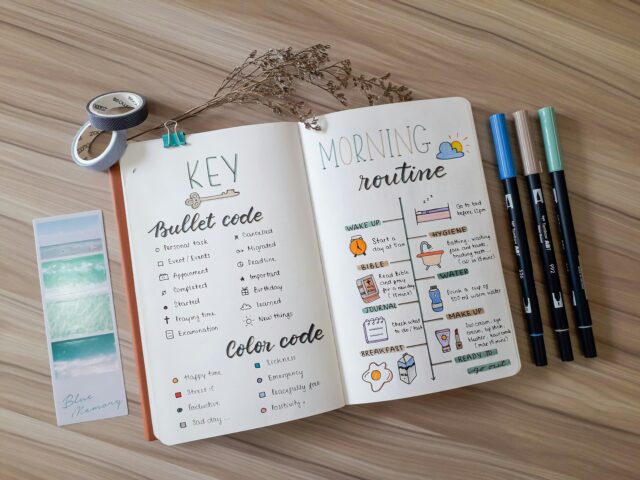
Choose two moments that happen almost every day, such as getting out of bed and finishing dinner. Attach a short routine to each moment. Your morning anchor might include drinking water, checking your calendar, and choosing the day’s first task. In the evening, you might clear one surface, prepare tomorrow’s clothes, and plug in your phone outside the bedroom.
Keep each routine under 15 minutes at first. A short sequence is easier to repeat, especially on low-energy days. If you need more ideas, this guide to a mind reset routine offers practical ways to create calmer transitions. Repetition matters more than complexity, so resist adding extra steps until the basic sequence feels familiar.
Know When Scattered Attention Needs Support
Occasional distraction is normal, particularly during stressful weeks or periods of poor sleep. Consider professional support when attention problems regularly interfere with work, relationships, appointments or household responsibilities. Persistent difficulties with organization, time management, and task completion deserve more than another productivity app.
A primary care clinician can help identify possible contributors, including sleep problems, anxiety, medication effects, and other health concerns. Adults who suspect ADHD may also choose to speak with an adult ADHD doctor for evaluation and available treatment options. Before an appointment, write down specific examples from the past few months. “I missed three bill deadlines” gives a clinician more useful information than “I’m always disorganized.”
Make Each Task Easier to Begin
Vague tasks create friction because your brain has to determine where to start. Replace “work on presentation” with a visible first action, such as “open the slide deck and write three section titles.” Once that action is complete, decide on the next small move.
Prepare your environment too. Put the document you need on your desktop, leave your walking shoes by the door, or place the form that needs signing beside your keys. These cues reduce the effort required to begin. A focus-driven daily routine can also help you match demanding work with the hours when your attention is strongest. For many people, that means scheduling focused work before opening email or social media.
Use Fewer Tools and Shorter Lists
A complicated planning system can become another unfinished project. Pick one calendar for appointments and one place for tasks. Paper, a notes app, or a basic task manager can all work. Consistency matters more than the format.
Limit your daily list to three priority items. These should be tasks that can realistically fit around meetings, meals, and routine responsibilities. Keep smaller errands on a separate list so they don’t crowd out meaningful work. When a new request appears, record it instead of switching tasks immediately.
It also helps to estimate time in concrete blocks. If you think a report will take an hour, reserve 75 minutes. That small buffer accounts for setup, interruptions, and the tendency to underestimate how long detailed work takes.
Build a Routine That Survives Difficult Days
A routine becomes useful when it still works during a busy or tiring day. Create a minimum version for those moments. Your regular evening reset may take 20 minutes, while the minimum version could be setting an alarm, checking tomorrow’s first appointment, and placing essential items by the door.
Review your system once a week without turning the review into a judgment of your character. Look for specific problems. Perhaps your morning routine keeps failing because it contains eight steps, or your afternoon focus block conflicts with recurring calls. Remove a step, change the timing, or shorten the block.
Leave room for recovery as well. Meals, movement, and sleep should appear in your schedule as real needs, not rewards for finishing everything else. A routine that ignores your energy will eventually collapse.
The best sign of progress is a day that requires fewer negotiations with yourself. Set up tomorrow’s first task before you stop working today, including the document, materials, or note you’ll need. That small act gives a scattered morning a clear place to begin.
Pin This Post!


Written by Contributing Author
More From This Category

Jesus Daily Bible | Review
If you’re looking for a way to deepen your faith and keep Jesus at the center of your daily life, the CSB Jesus Daily Bible is a must-have resource. This beautifully designed Bible is more than just a reading plan—it’s an immersive, Christ-centered journey through...

How to Reward Yourself Without Feeling Guilty
Everyone deserves a treat every now and then, especially when you have been putting real effort into something. Hard work is not just about hours at the gym or sticking to a weight loss plan, although both take patience and dedication. For some people, hard work shows...

The Last Supper | Review
"The Last Supper," which hit theaters on March 14, 2025, brings a heartfelt take on one of Christianity’s most important moments. Directed by Mauro Borrelli, the film dives into the moments leading up to Jesus' final meal with His disciples, capturing the emotional...



0 Comments