
A home often shows small signs of trouble before a costly repair becomes unavoidable. Unusual odors, fresh stains and rooms that suddenly feel damp can all point to problems behind the surfaces. A seasonal home health check helps you catch these clues, protect indoor comfort and keep maintenance costs under control.

Is Your Home Feeling Under the Weather?
Pay attention when your home feels different even if nothing obvious has changed. Persistent stuffiness, musty odors or irritation that improves after you leave may justify a closer look at indoor conditions. Guidance on house-related symptoms recommends considering factors such as moisture, ventilation and indoor contaminants while also discussing ongoing health concerns with a medical professional.
Begin with a walk through every room. Open cabinets, check behind furniture and note where odors or condensation seem strongest. Record the date and location of each issue so you can tell if it spreads or returns after cleaning.
Common Issues to Watch For
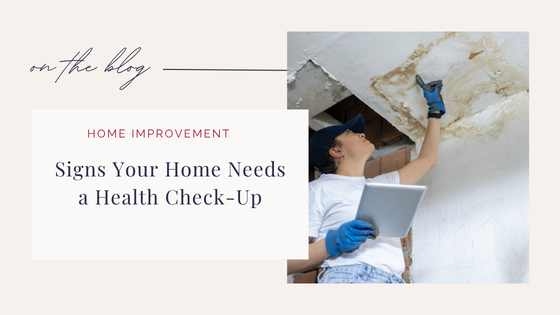
Water causes many of the warning signs homeowners first notice. Look for yellow or brown ceiling marks, peeling paint, swollen trim and soft flooring around bathrooms, windows and exterior doors. Check under sinks for slow drips and inspect appliance hoses for cracks or bulges.
Poor airflow also deserves attention. Heavy window condensation, lingering cooking smells and bathrooms that stay damp for hours can suggest that ventilation needs improvement. Test exhaust fans with a sheet of tissue and clean accessible vents according to the manufacturer’s instructions. Outside, clear leaves from drainage channels and make sure water flows away from the foundation instead of pooling beside it.
The Importance of a Healthy Roof
The roof protects insulation, ceilings and electrical systems from rain and harsh weather. From the ground, look for sagging sections, damaged edges, loose surface materials and debris collecting in drainage areas. Indoors, inspect the attic during daylight for visible gaps, damp timber or insulation that has clumped after getting wet.
Repeated leaks and widespread deterioration can indicate that patch repairs are no longer practical. Homeowners in Brisbane and surrounding areas who see extensive aging or storm damage may need a professional assessment to determine if roof replacement is the appropriate long-term solution. Avoid climbing onto the roof yourself, especially after rain.
Addressing Problems Early
Act on a leak or electrical concern as soon as you notice it. Move belongings away from wet areas, place a container beneath an active drip and turn off power to an affected area if you can do so safely. Then contact a qualified professional to identify the source. Painting over a stain may hide the evidence, but it won’t stop water from returning.
Keep photographs, invoices and notes from each inspection. This simple record helps tradespeople understand when the problem began and what work has already been completed. It also reveals patterns, such as a ceiling stain that appears only after wind-driven rain or a damp wall that worsens during colder months.
Maintaining a Safe Living Space
Set a recurring schedule for smoke alarm tests, filter changes, appliance checks and visual inspections. Monthly checks can cover leaks and unusual odors, while seasonal reviews can include gutters, seals, exterior drainage and heating or cooling equipment. Follow product instructions when testing alarms or replacing filters.
Household changes may call for extra attention. If an older relative begins struggling with daily tasks, review both the building and their support needs. These in-home care warning signs can help families recognize when further assistance may be appropriate. You can also use this guide to create a healthy home for practical ideas on cleaning routines, organization and indoor comfort.
Finish each check-up by writing down anything that needs monitoring, then add a date for another look. A small ceiling mark photographed today is much easier to assess next month, and that record may be the detail that stops a hidden leak from becoming a major repair.
Pin This Post!


Written by Contributing Author
More From This Category

How to Keep Your Home in the Best Condition
If you are wanting to take better care of your home then you may be wondering how to do this. You might be working long hours or have many children to take care of, so housework is the last thing on your mind. However, doing little bits here and there will make a...

6 Home Inspections You Should Regularly Make
Keeping your home in good condition is really important, but if you think you are doing enough by simply repairing things when they break, you need to think again. You need to be on top of your home, looking out for any potential issues before they arise and cause...

Maximizing Small Spaces with Light and Design
Living in a small apartment or home presents a unique set of design challenges, but it also offers a creative opportunity. With a thoughtful approach to design, light, and organization, even the most compact room can feel spacious, airy, and comfortable. The key...



0 Comments