

A good night’s sleep feels like a superpower in our busy lives, but it often seems just out of reach. Tossing and turning, staring at the ceiling, and waking up groggy are common complaints. The truth is, quality sleep doesn’t just happen by chance. It’s about understanding what your body needs and setting up the right conditions for rest. Improving your sleep is one of the most effective things you can do for your physical and mental health.
This guide will walk you through the essential steps to transform your nights and reclaim your days. To really get the most out of this fundamental human need, it’s crucial to understand the basics of sleep.

Understanding Sleep Cycles
To improve your sleep, it helps to first understand what’s actually happening when you close your eyes. Sleep isn’t just a passive state of rest; it’s an active process your brain goes through in several stages. These stages form a sleep cycle, and you typically go through four to six of these cycles each night. Each cycle includes two main types of sleep: non-rapid eye movement (NREM) and rapid eye movement (REM).
NREM sleep has three stages. The first is a light sleep where you can be easily awakened. In the second stage, your heart rate and body temperature drop as you get ready for deep sleep. The third stage is the deep sleep that makes you feel refreshed in the morning. This is when your body repairs tissues, builds bone and muscle, and strengthens your immune system. After NREM, you enter REM sleep. This is when most of your dreaming happens. Your brain is highly active, processing emotions and solidifying memories.
The key to waking up feeling restored is to complete enough of these full cycles. Experts say that understanding sleep cycles can help you figure out why you might be waking up tired. For example, if your deep sleep is constantly interrupted, you’ll miss out on crucial physical recovery. If your REM sleep gets cut short, your memory and mood can suffer. A consistent sleep schedule helps regulate these cycles, training your brain to move through them efficiently for a more restorative night.
Crafting Your Ideal Sleep Environment
Your bedroom should be a sanctuary for sleep, but for many, it’s a hub of distractions. Creating an environment that signals to your brain it’s time to rest is a fundamental step toward better sleep practices. The three pillars of a perfect sleep environment are darkness, quiet, and a cool temperature. Each of these directly influences your body’s production of melatonin, the hormone that regulates your sleep-wake cycle.
Total darkness is ideal. Even small amounts of light from streetlamps, electronics, or a digital clock can disrupt melatonin production. Consider investing in blackout curtains or a comfortable sleep mask to block out all light sources. Similarly, noise can easily pull you out of the lighter stages of sleep. If you live in a noisy area, a white noise machine, a fan, or earplugs can create a consistent, peaceful sound that masks sudden noises.
Temperature also plays a significant role. Most sleep experts agree that a cool room is better for sleep. Your body’s core temperature naturally drops as you prepare for rest, and a cooler environment supports this process. The ideal temperature is typically between 60 and 67 degrees Fahrenheit. Experiment to find what feels most comfortable for you. By optimizing these three factors, you create a powerful signal for your body that the bedroom is a place for deep, uninterrupted rest, as outlined in guides for healthy sleep.
Bedding Choices for Deep Rest
The feel of your bed can make the difference between a night of tossing and turning and one of deep, restorative slumber. Your mattress is the foundation, but your bedding, sheets, blankets, and pillows are what your body interacts with all night long. Choosing the right materials and textures can significantly enhance your comfort and support better sleep.
The material of your sheets is paramount. Breathable fabrics like cotton, bamboo, or linen help regulate your body temperature by wicking away moisture, preventing you from waking up hot and sweaty. The weave also matters. A percale weave, for instance, feels crisp and cool, while a sateen weave is silkier and softer. Many people love the crisp, clean feeling of high-quality bedding found in luxury hotels. You can recreate this experience at home with the right choices, particularly with items like fresh hotel pillowcases that offer that smooth, cool-to-the-touch sensation.
Your pillow is just as important. It needs to support your head and neck in a neutral alignment to prevent strain and discomfort. The right pillow depends on how you sleep. Side sleepers generally need a firmer, thicker pillow, while stomach sleepers need a very soft, thin one. Back sleepers fall somewhere in between. Don’t forget to keep your bedding clean. Washing your sheets and pillowcases weekly removes allergens, dust mites, and oils that can irritate your skin and disrupt sleep.
Pre-Sleep Routines That Work
Just as you warm up before a workout, your body and mind need to wind down before bed. A consistent pre-sleep routine is a powerful cue that tells your body it’s time to transition from the day’s activity to a state of rest. This ritual doesn’t have to be complicated; even 30 minutes of dedicated quiet time can make a big difference.
The most important rule for any wind-down routine is to disconnect from screens. The blue light from phones, tablets, and computers suppresses melatonin production, tricking your brain into thinking it’s still daytime. Instead of scrolling through social media, try one of these relaxing activities:
- Read a physical book. Choose something light and enjoyable rather than a suspenseful thriller or work-related material.
- Take a warm bath or shower. The subsequent drop in body temperature after you get out helps induce sleepiness.
- Do some light stretching or yoga. Gentle movements can release muscle tension built up during the day.
- Journal. Writing down your thoughts, worries, or a to-do list for the next day can clear your mind and reduce anxiety.
- Listen to calming music or a podcast. Choose content that is soothing rather than stimulating.
Following a consistent schedule is one of the most effective sleep tips. By performing the same calming activities in the same order each night, you strengthen the association between these actions and sleep, making it easier to drift off naturally.
Diet and Exercise for Better Zzz’s
What you eat and how you move your body during the day have a direct and significant effect on your sleep quality at night. Your diet and exercise habits can either support or sabotage your efforts to get a good night’s rest. Making mindful choices in these areas can be one of the most effective long-term strategies for improving your sleep.
When it comes to diet, timing and content matter. Avoid large, heavy meals within two to three hours of bedtime, as the digestive process can interfere with sleep. Spicy or acidic foods can cause heartburn, making it difficult to lie down comfortably. It’s also wise to steer clear of stimulants like caffeine and nicotine, especially in the afternoon and evening. While alcohol might make you feel drowsy initially, it disrupts sleep cycles later in the night, leading to less restorative rest. Instead, consider a light, sleep-promoting snack like a handful of almonds, a banana, or a small bowl of oatmeal if you’re hungry before bed.
Regular physical activity is a powerful sleep aid. Exercise can reduce the time it takes to fall asleep and increase the amount of deep sleep you get. However, the timing of your workout is key. For most people, vigorous exercise too close to bedtime can be overstimulating. Aim to finish your workout at least a few hours before you plan to sleep. A gentle activity like an evening walk or light stretching, on the other hand, can be a great part of your wind-down routine. Consistency is more important than intensity; even moderate activity most days of the week can lead to noticeable improvements in your sleep.
Achieving a perfect night’s sleep is a journey of small, consistent adjustments. Start by focusing on one or two areas, perhaps upgrading your pillows or setting a “no-screens” rule an hour before bed. Notice the difference it makes, and build from there.
Pin This Post!


Written by Contributing Author
More From This Category

Jesus Daily Bible | Review
If you’re looking for a way to deepen your faith and keep Jesus at the center of your daily life, the CSB Jesus Daily Bible is a must-have resource. This beautifully designed Bible is more than just a reading plan—it’s an immersive, Christ-centered journey through...
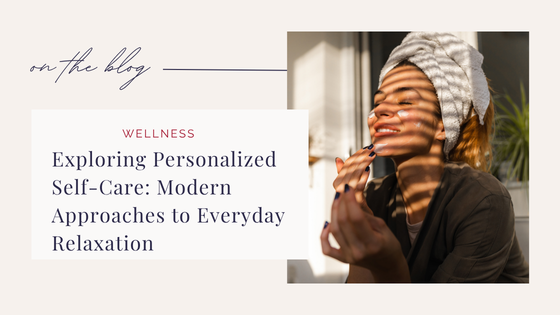
Exploring Personalized Self-Care: Modern Approaches to Everyday Relaxation
The idea of self-care has really shifted. It used to be seen as an occasional treat, but now it's more about a daily routine to keep your mental and emotional balance in check. What works for one person won't necessarily work for another, though. The trick to a good...

The Last Supper | Review
"The Last Supper," which hit theaters on March 14, 2025, brings a heartfelt take on one of Christianity’s most important moments. Directed by Mauro Borrelli, the film dives into the moments leading up to Jesus' final meal with His disciples, capturing the emotional...



0 Comments